

Ollas to plant


The olla regulates water flow according to each plant's needs


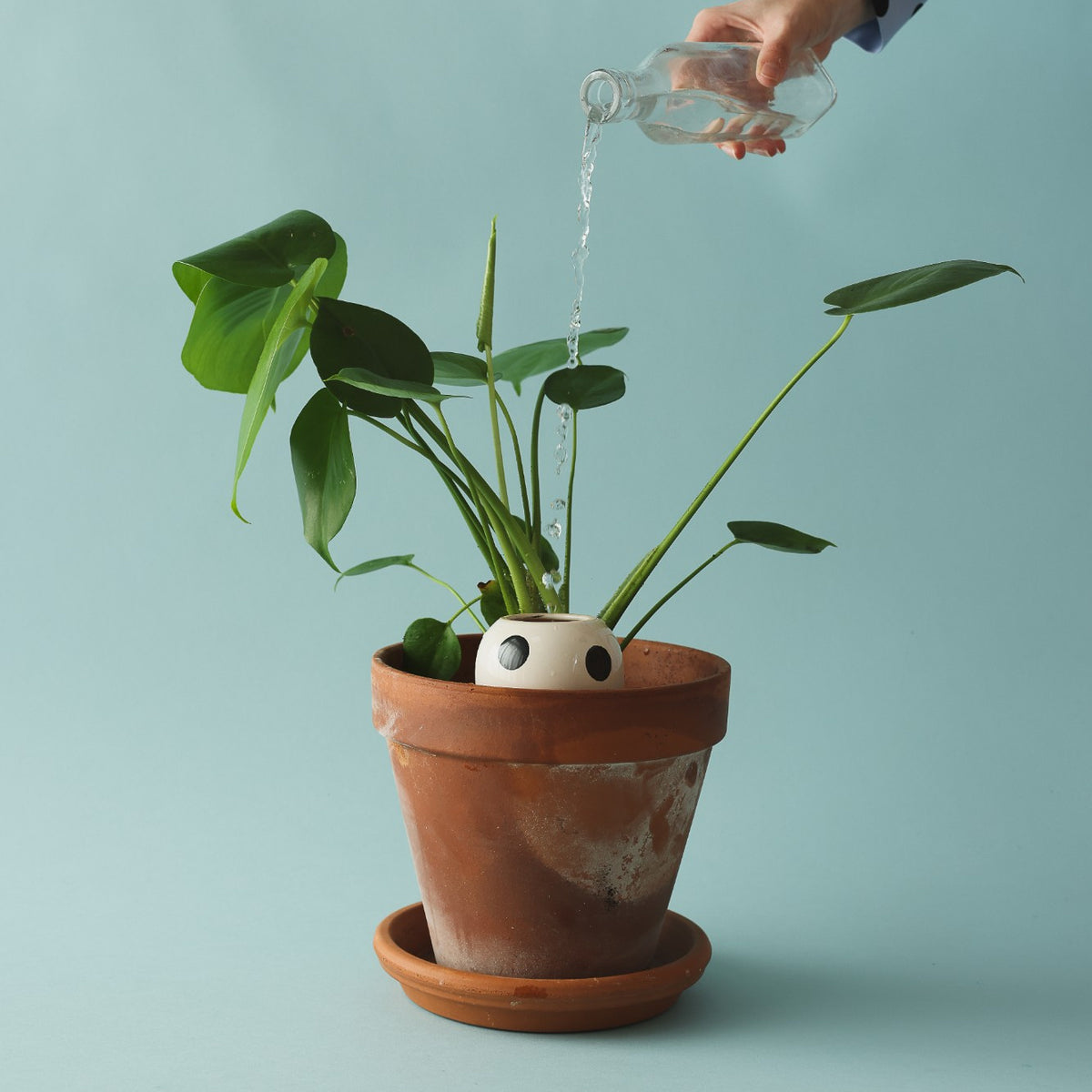
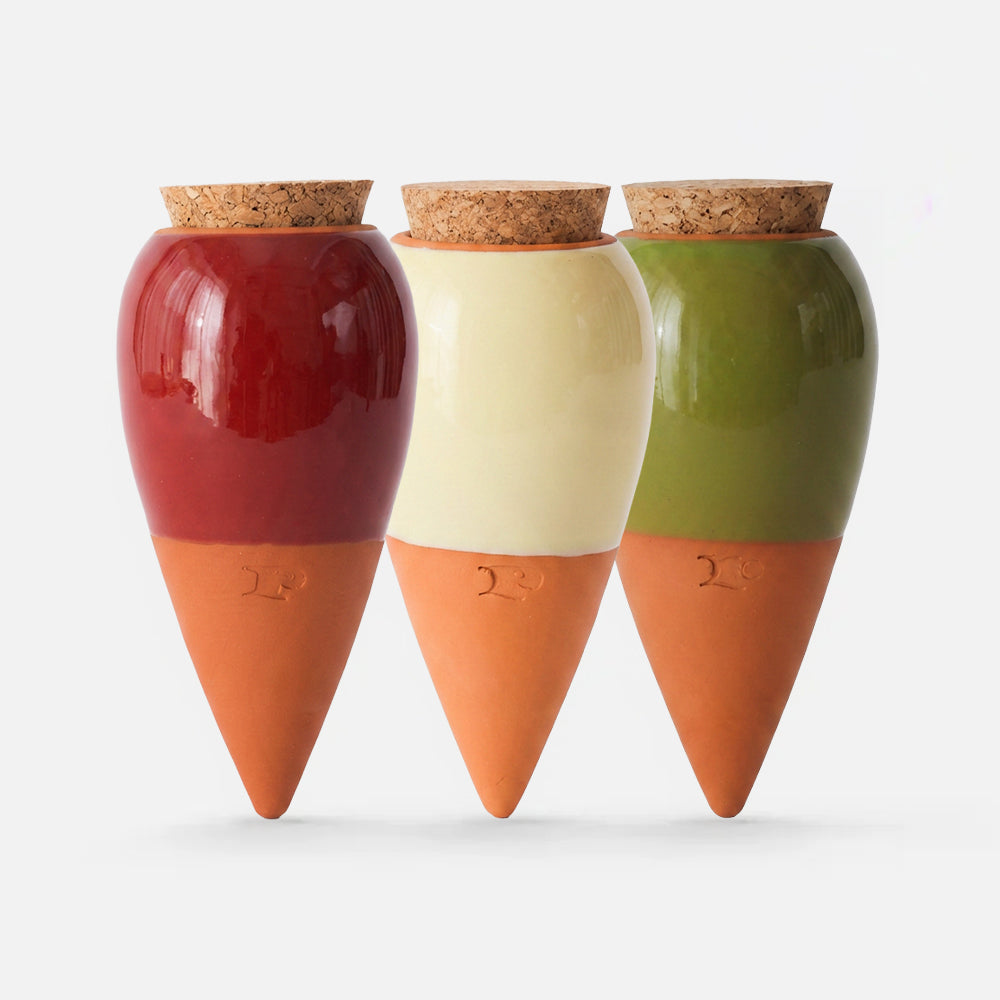
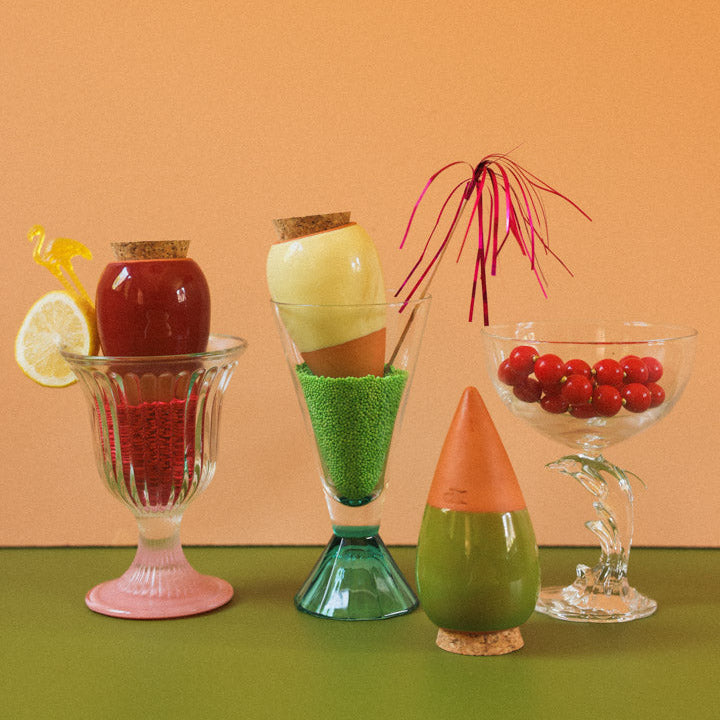
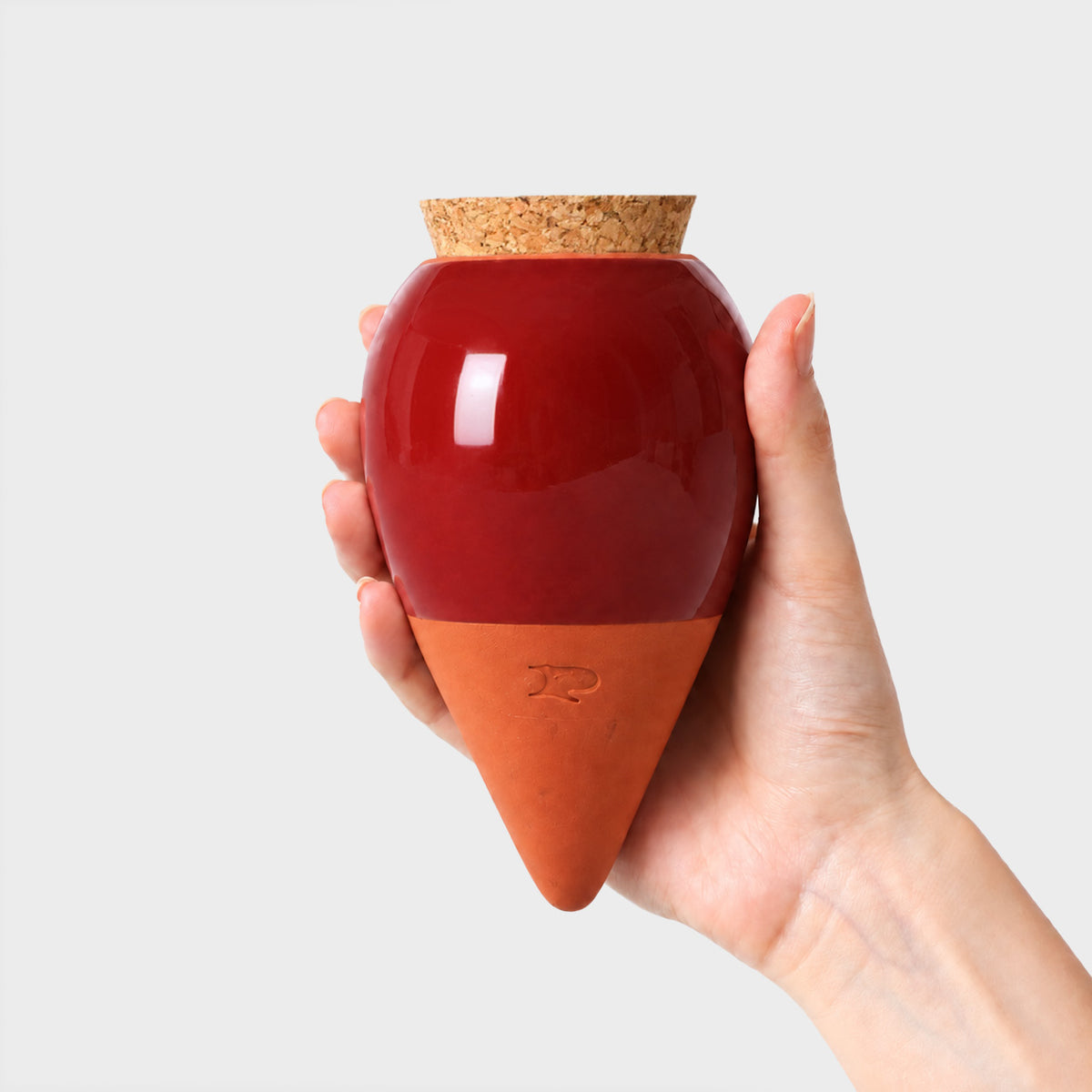
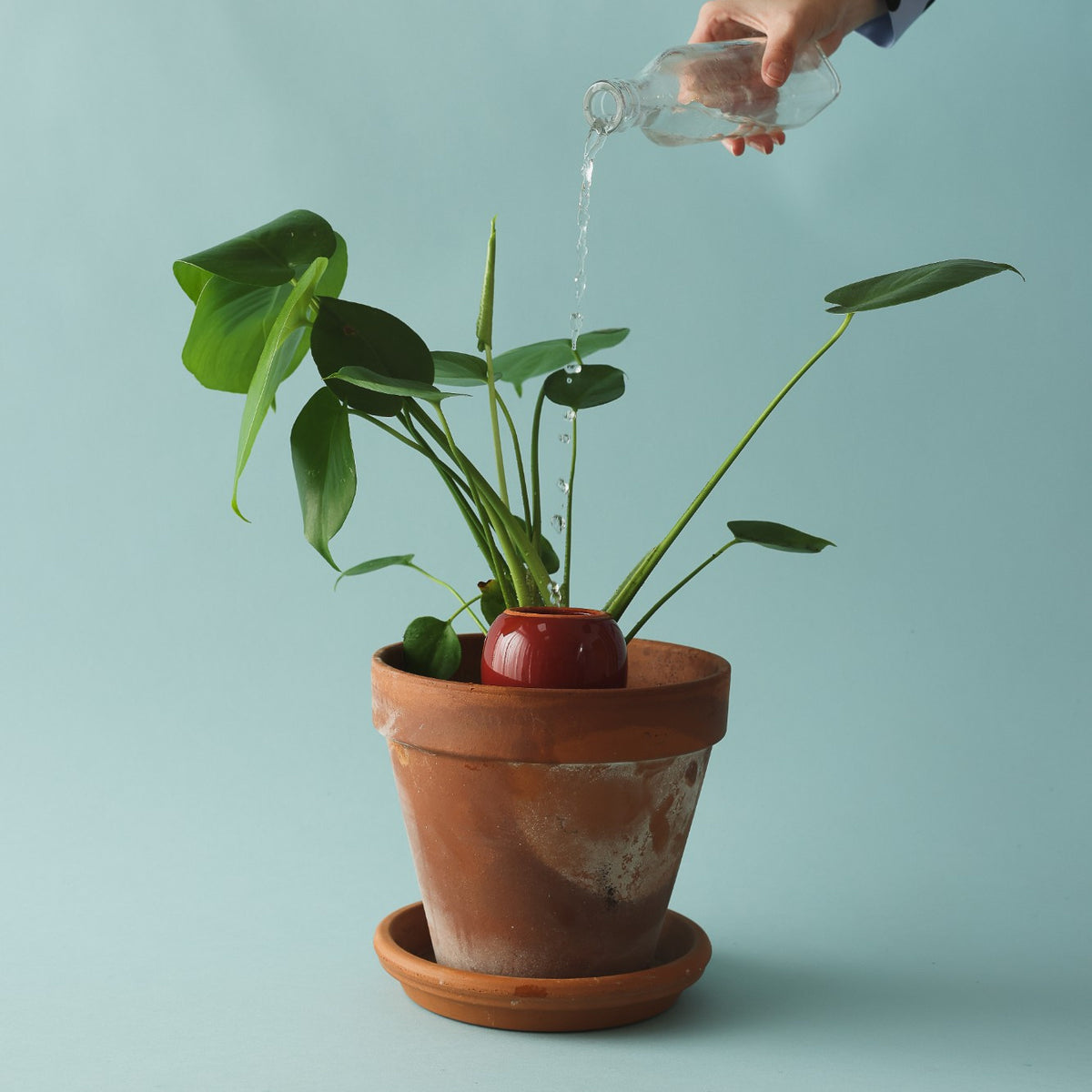


Head away for the weekend without worrying about coming back to dried-out plants, and water less often without the guilt: that's exactly what an olla to insert promises. Inspired by an ancient irrigation method, this little terracotta reservoir slowly diffuses water directly to the roots. Simple, effective, with no power or timers needed. Whether you're a devoted plant lover or simply someone who forgets to water (no judgment here, we promise), the olla — or oya, both spellings are everywhere — could transform your everyday plant routine.
How does an olla to insert work?
The principle is surprisingly elegant, yet it's nothing new. Irrigation ollas have been used for over 4,000 years, notably in China and North Africa. The concept? Bury a terracotta vessel filled with water next to plants, and let physics do the rest.
In practice, terracotta is a microporous material. This means it is filled with tiny pores, invisible to the naked eye, which let water seep very slowly through the walls. No jets, no mechanical drip systems: just a gentle, continuous flow.
And that's where it gets truly clever. Water doesn't just flow out of the olla randomly. It is literally "drawn out" by the dry soil surrounding the reservoir, thanks to capillary action. When the soil around the olla is moist, the water stays inside. As it dries out, the difference in moisture tension creates a natural suction that pulls water through the porous walls. The result: watering self-regulates based on the plant's actual needs. Never too much, never too little.
A quick and important distinction: there are two main types of ollas. Ollas to bury, often large, are designed for outdoor vegetable patches in open ground. What we're focusing on here are ollas to insert: more compact, they are pushed into the potting mix of a pot or planter. They are designed for potted plants, indoors and out.
All without any electricity, cables, or batteries. A 100% passive, eco-friendly system. Honestly, it couldn't be simpler.
When should you use an olla?
You might think the garden olla is just for gardening experts. Not at all. It's actually the opposite: it's made for anyone who wants to care for their plants without constantly worrying about them.
Indoors
This is probably the most common use. Your potted houseplants, fussy ferns, and calatheas that droop at the slightest missed watering — all these plants that crave consistent hydration love olla watering. And for office plants, let's face it: between meetings, checking the soil isn't always top of mind. An olla takes care of it.
Outdoors
On a balcony, in a planter, or in a small perennial bed: terracotta ollas work wonders. Sun and wind accelerate evaporation, and the olla naturally compensates by diffusing more water as the soil dries quickly.
While you're away
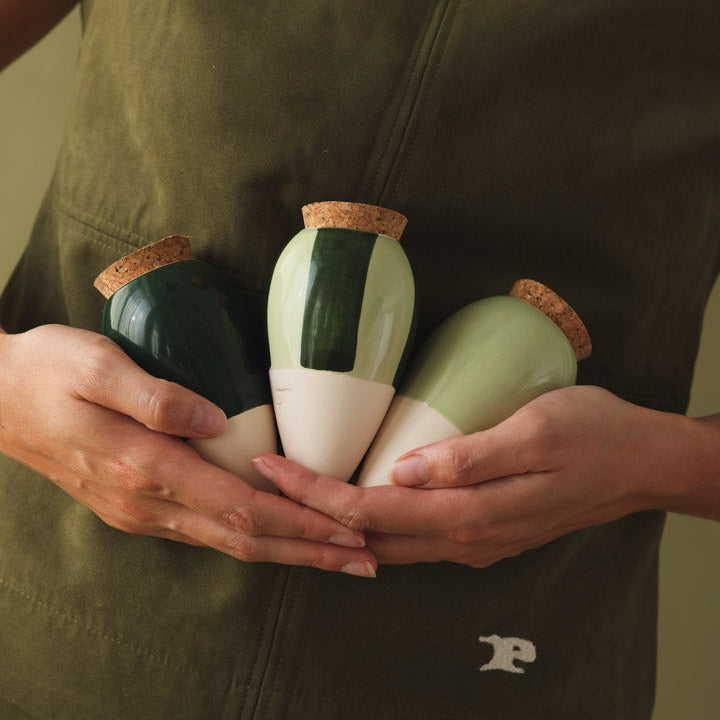
Long weekends, holidays, work trips: depending on the size of the olla and pot, you easily gain several days of self-watering peace of mind. For smaller pots, the Trio Mini Ollas is perfect — it lets you kit out three plants in one go.
For plants sensitive to overwatering
We don't always think about it, but many plants die from overwatering rather than thirst. The irrigation olla naturally regulates water intake: it's impossible to drown the roots since the plant "decides" the rhythm.
Which olla should you choose for your plants?
No need to get a calculator out. Choosing an oya to insert into soil comes down to a few simple criteria, and we'll go through them together.
Pot size: the number one factor
It's the essential starting point. An olla that is too small in a large pot won't be enough, and conversely, a standard olla in a 12 cm pot will take up all the room.
- Pots 10 to 15 cm in diameter: opt for a mini olla. The Trio Mini Ollas is ideal for kitting out several small pots.
- Pots 20 cm and wider: a standard olla will do the job. It's the most versatile size.
Plant type
Not all plants drink the same way, and the olla is particularly suited to those that love evenly moist potting mix:
- Ferns, calatheas, marantas, pothos, ficuses: total green light.
- Tropical plants in general: they love it.
- Succulents and cacti: best to avoid. These plants prefer their soil to dry out completely between waterings, which isn't compatible with how an olla works.
Aesthetics, because looks matter too
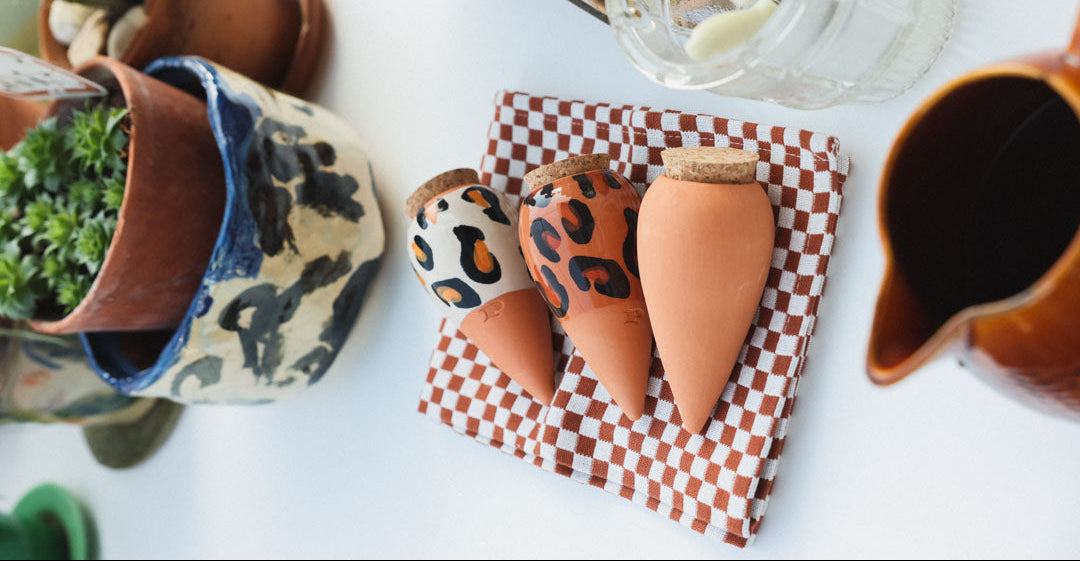
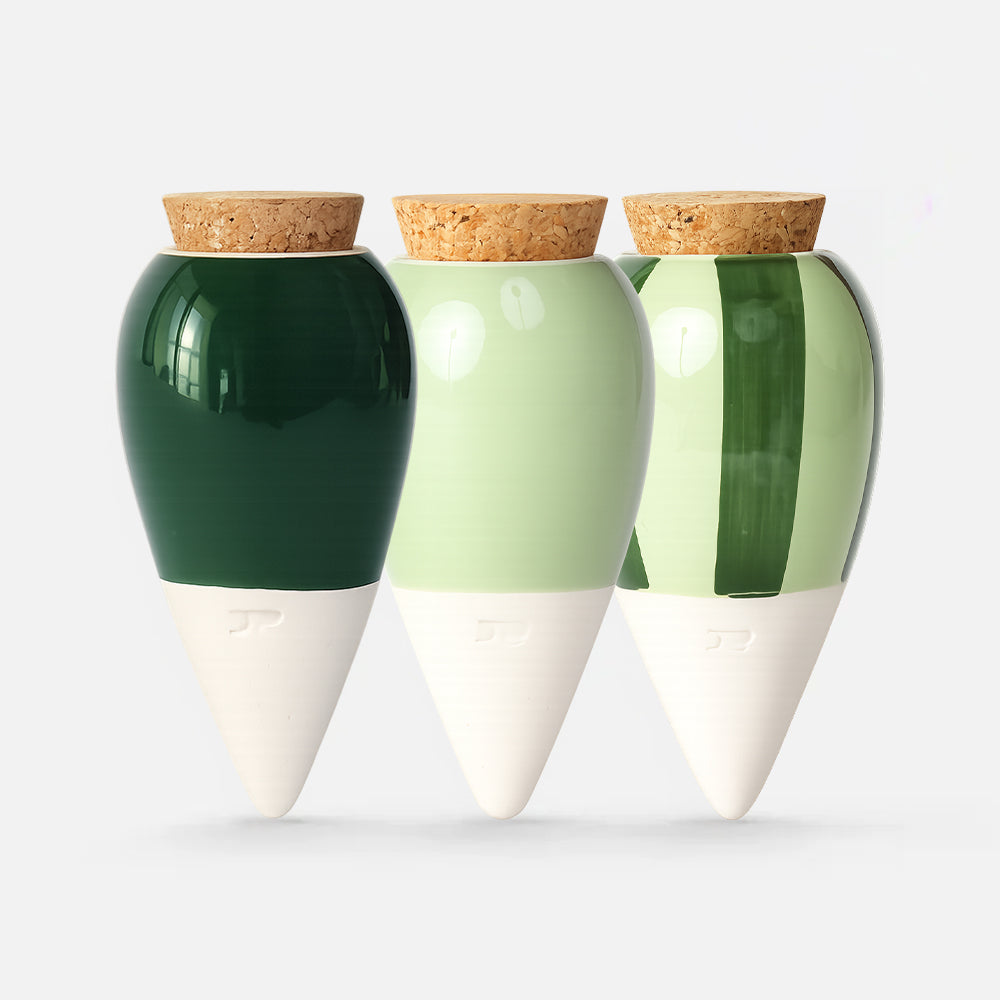
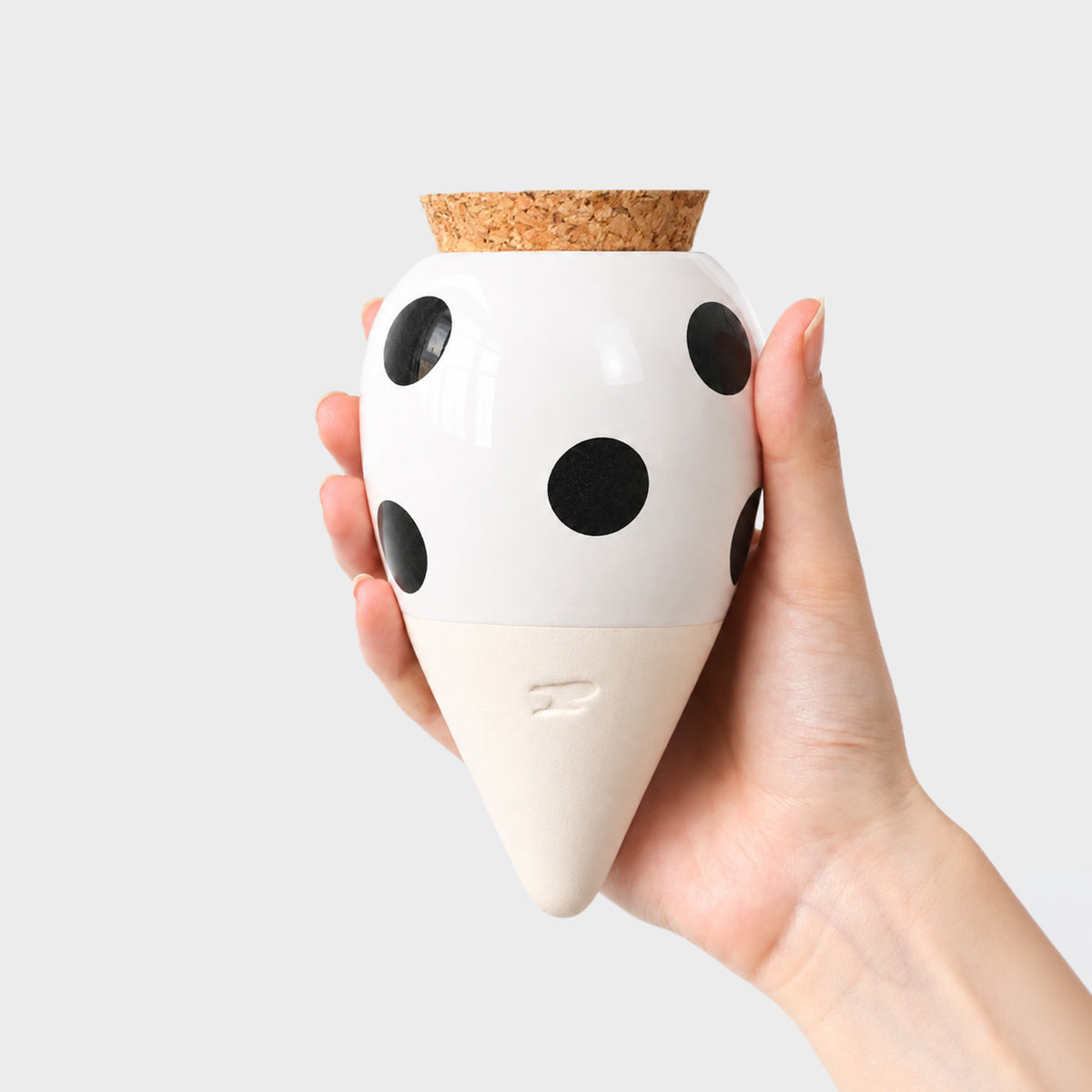
Between us, if an olla is going to stick out of the pot, it might as well look lovely. And that's where Pepin ollas stand out. They come in several colours and patterns: the Textured White Olla for a clean look, the Mustard Yellow Olla for a pop of energy, or the Leopard Olla for the boldest plant lovers. They aren't just watering tools; they are genuine design pieces.
In a trio or individually?
If you want to equip multiple plants at once — or if you are looking for a gift idea for a plant addict friend — trios are a clever choice. And to take your plantcare routine even further, the Plantcare Routine pairs the olla with other essentials for a complete approach.
A few tips to make the most of your olla
The olla to insert is wonderfully simple, but a few good habits will extend its lifespan and keep it working at its best:
- Use room-temperature water. Water that is too cold can stress roots and cause thermal shock to the terracotta.
- Watch out for frost. In winter, if your ollas are outdoors, bring them inside or empty them. Freezing water expands and can crack terracotta. That would be a shame.
- Limescale is completely normal. Over time, a whitish residue may appear on the walls. Nothing to worry about: a quick soak in water with a dash of white vinegar will easily remove it.
- The olla is not made for very large volumes of soil. In open ground, in a large vegetable garden, it won't have enough capacity. Its playground is pots and planters.
- Observe during the first few weeks. Every plant drinks differently. Check the water level regularly at first to understand the rhythm, and then you can settle into a stress-free routine.
Your questions about ollas to insert
Are ollas really effective?
Yes, and it's not just a passing trend. The irrigation olla principle has been used for millennia in arid regions. Its effectiveness relies on proper sizing: the size of the olla needs to match your pot. Water is diffused directly at root level, dramatically reducing waste compared to traditional surface watering.
How to use an olla in a flowerpot
It's very simple. Push the olla into the potting mix up to its neck, leaving the opening sticking out so you can refill it easily. Pour water inside, put the lid back on, and you're good to go. You can install it during repotting or directly into an existing potted plant — just make a small hole in the soil with your finger to slide it in without damaging the roots.
Which olla to choose for which plant?
For tropical, thirsty plants (ferns, calatheas, marantas), a standard olla is ideal. For small houseplants in 10 to 15 cm pots, a mini olla is plenty. On the other hand, cacti and succulents don't need an olla: they prefer their soil to dry out completely between waterings, which goes against how an olla works.
How long does an olla hold water?
It depends on several factors: the size of the olla, the pot volume, the plant type, and the season. Indoors, expect between 3 and 7 days of autonomy for a standard olla. In summer or outdoors, water is used up faster. The best approach is to observe the consumption rate during the first few weeks to find your refill routine.
What are the disadvantages of ollas?
Let's be honest: there are a few, but nothing deal-breaking. Limescale can leave a white residue on the walls over time (a quick wipe with white vinegar sorts it out). Terracotta is sensitive to frost if left full of water outdoors in winter. And the olla isn't suited to every plant, especially succulents. Minor limitations that are easy to anticipate.
Can you use an olla outdoors?
Absolutely. In a balcony planter, in a patio pot, or in a small flowerbed, the olla works brilliantly outdoors. Just keep in mind that sun and wind speed up evaporation, so you'll need to refill a bit more often than indoors. And remember to bring it inside or empty it before the first frosts to prevent it from cracking.
Caring for your plants, made simple
At its heart, the olla to insert embodies a simple idea: honouring your plants' natural rhythm without complicating your life. Just top it up every now and then, and your plants hydrate exactly as they need. All Pepin models are handcrafted from artisanal terracotta, with all the care that entails. Explore the collection to find the one that best suits your home — or balcony.